Contemporary medical science is undergoing an unprecedented transformation, wherein traditional clinical paradigms are rapidly integrating with breakthroughs in nanotechnology, materials science, molecular biology, and bioengineering. Within this multidimensional context, the training of future physicians necessitates a fundamental reevaluation of classical educational paradigms. Cultivating a new generation of specialists, capable not only of implementing established clinical protocols but also of generating innovative therapeutic strategies is impossible without early immersion into a genuine research environment.
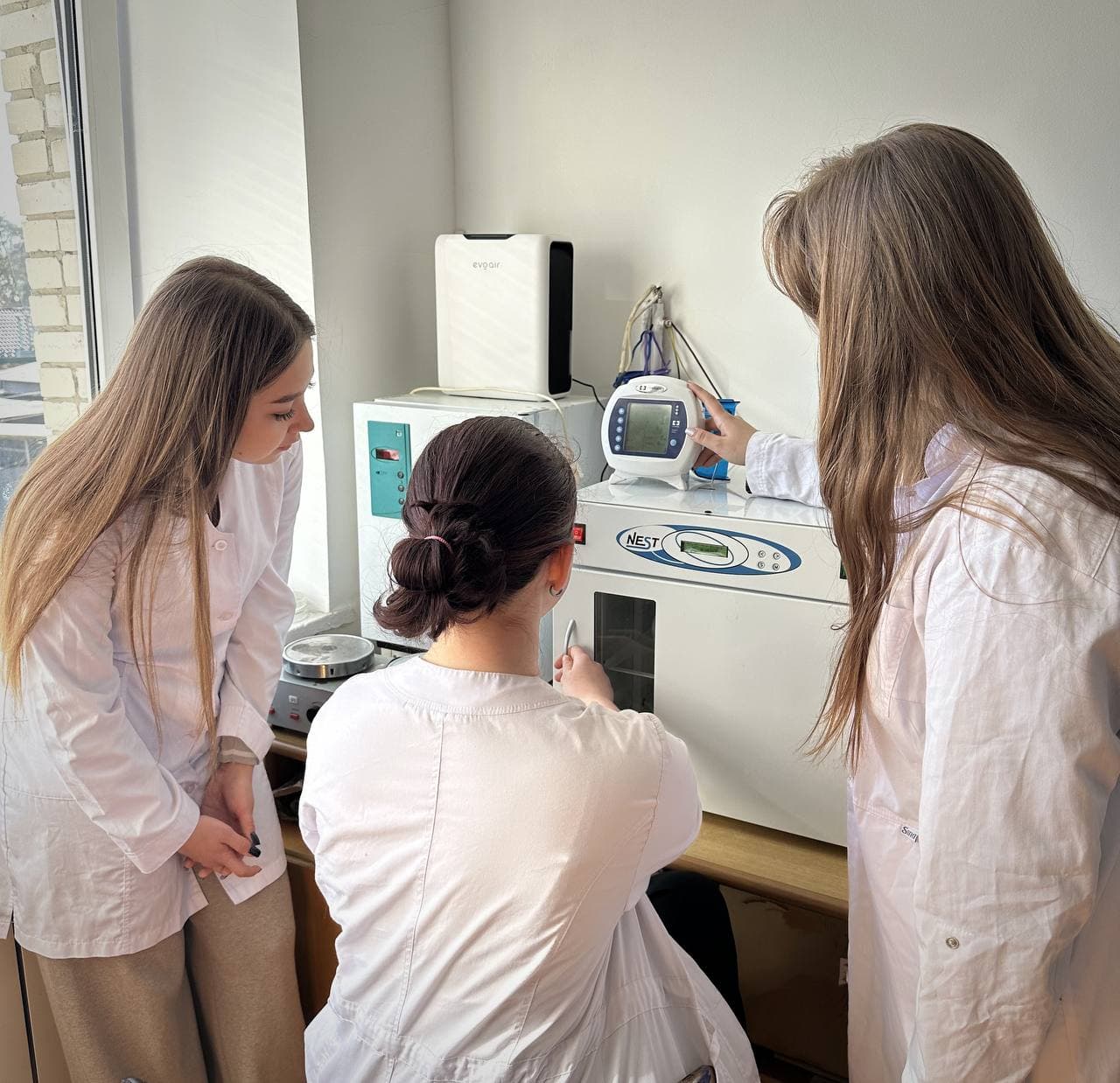
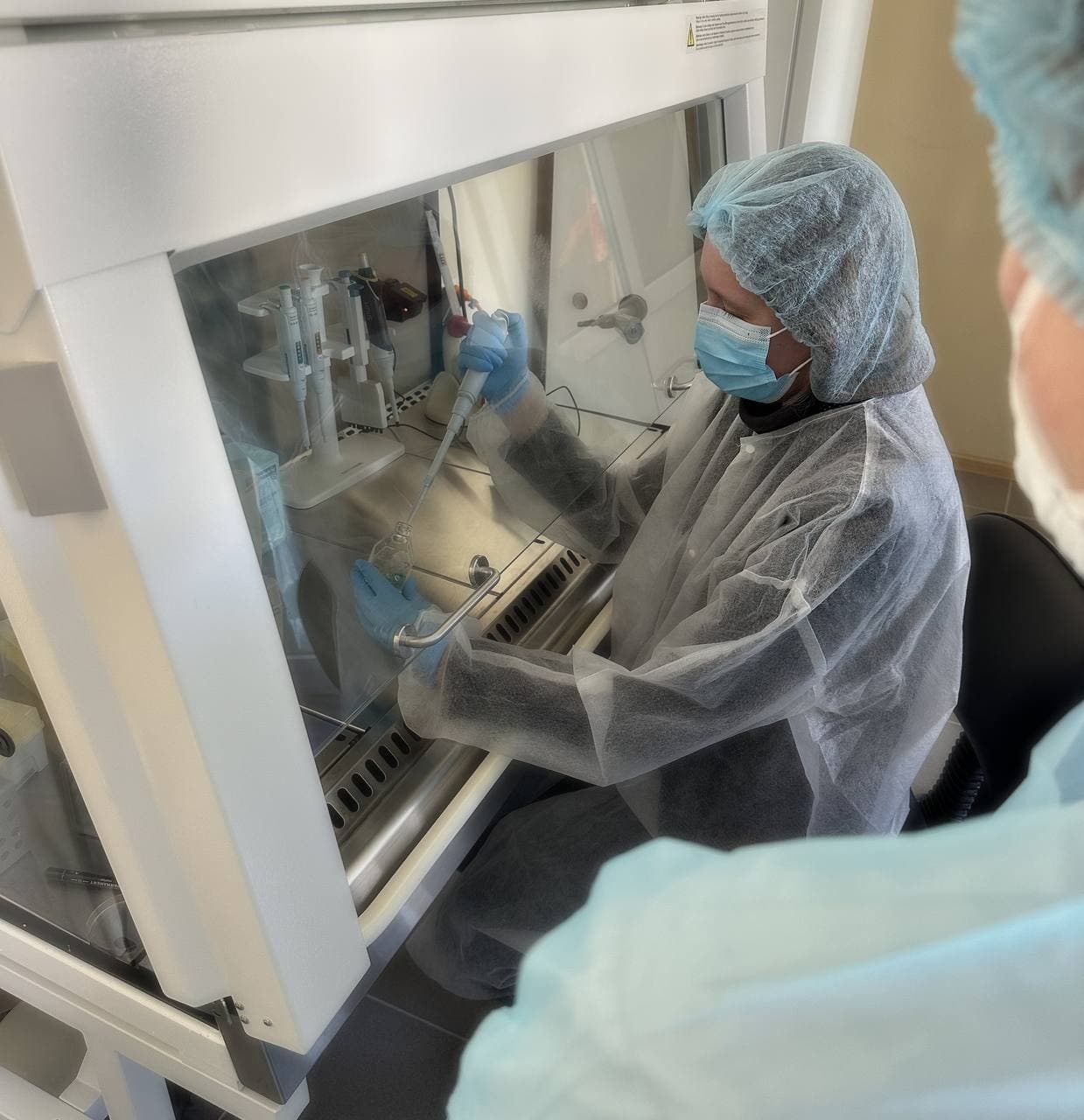
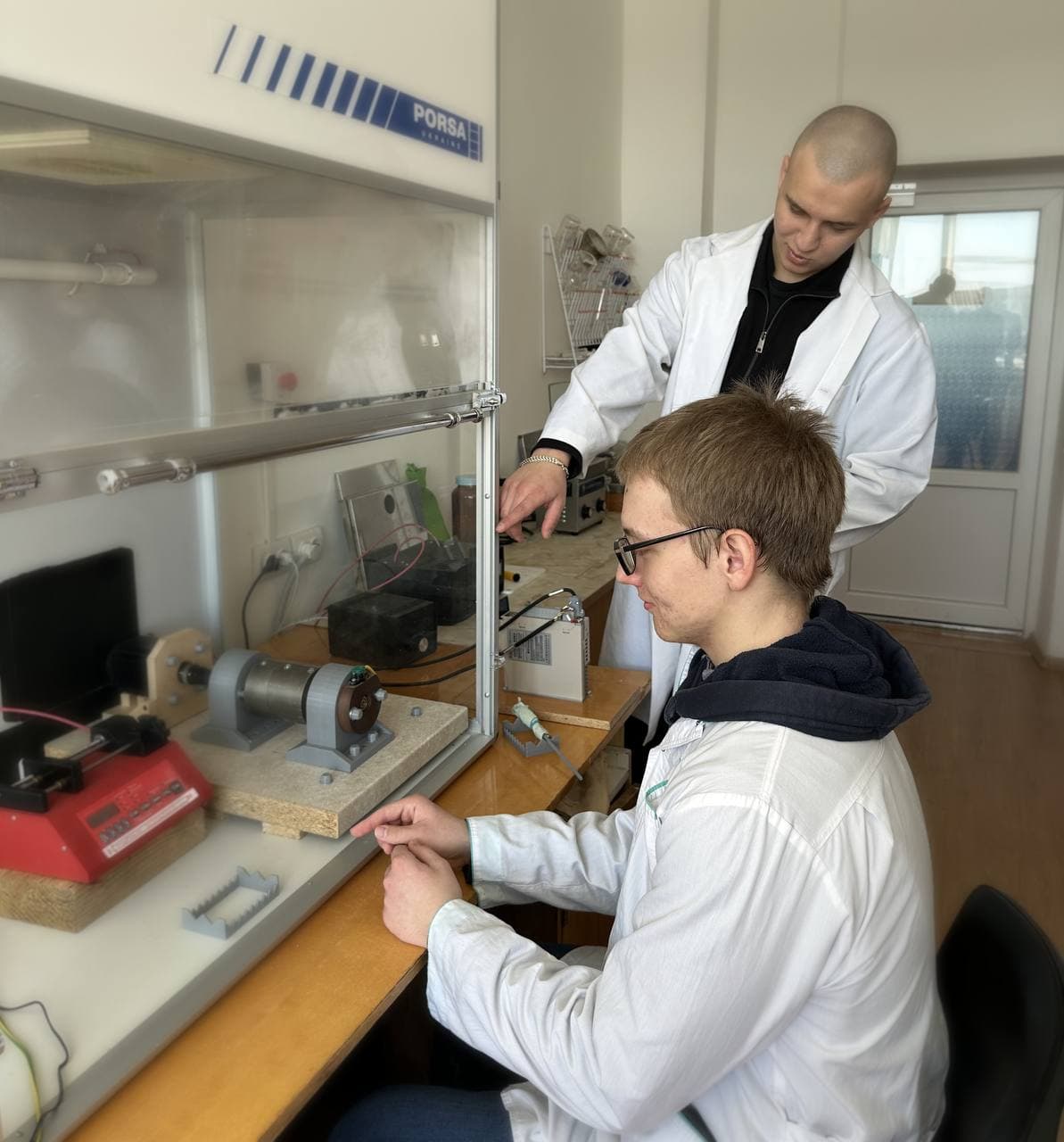
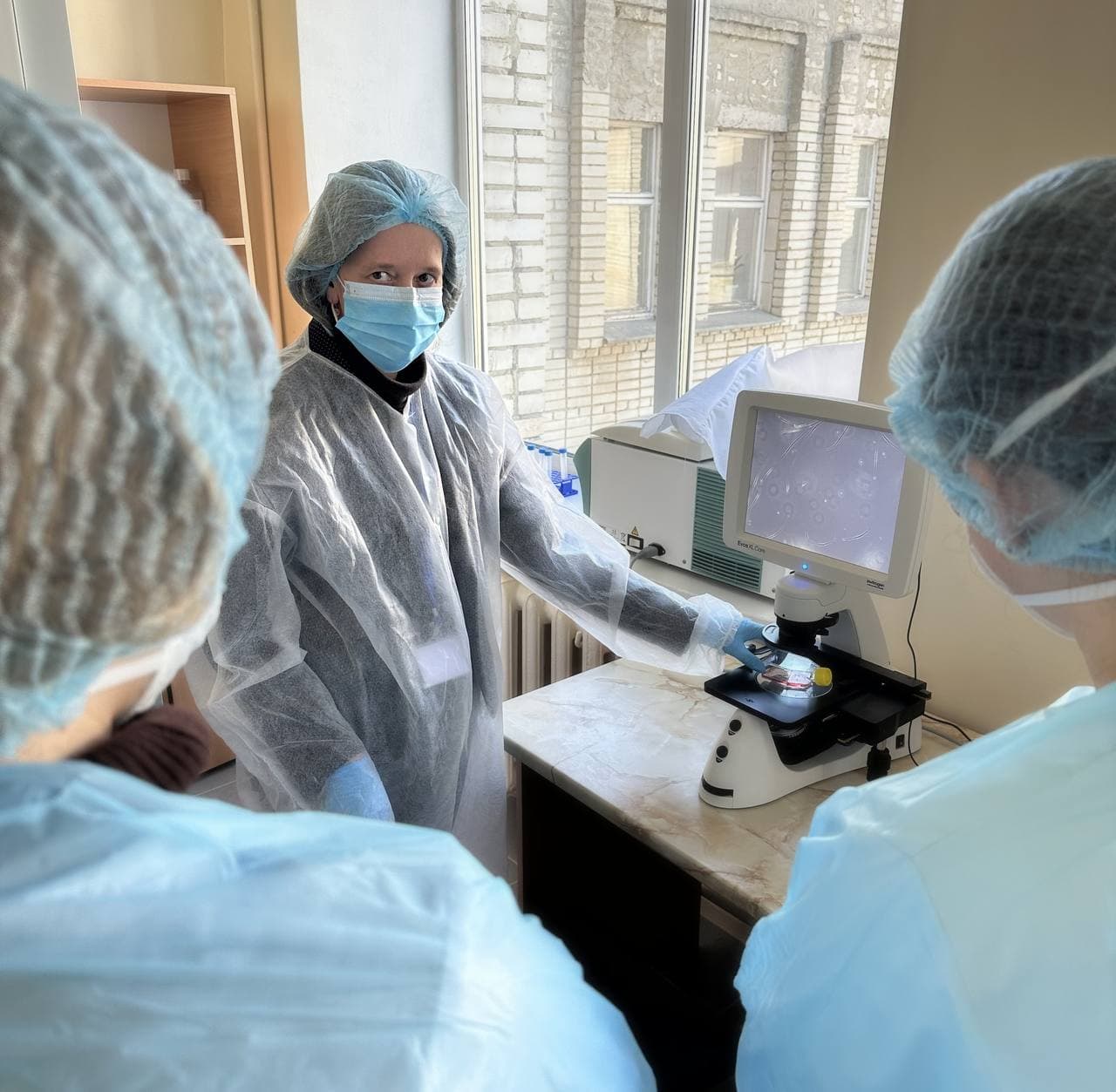
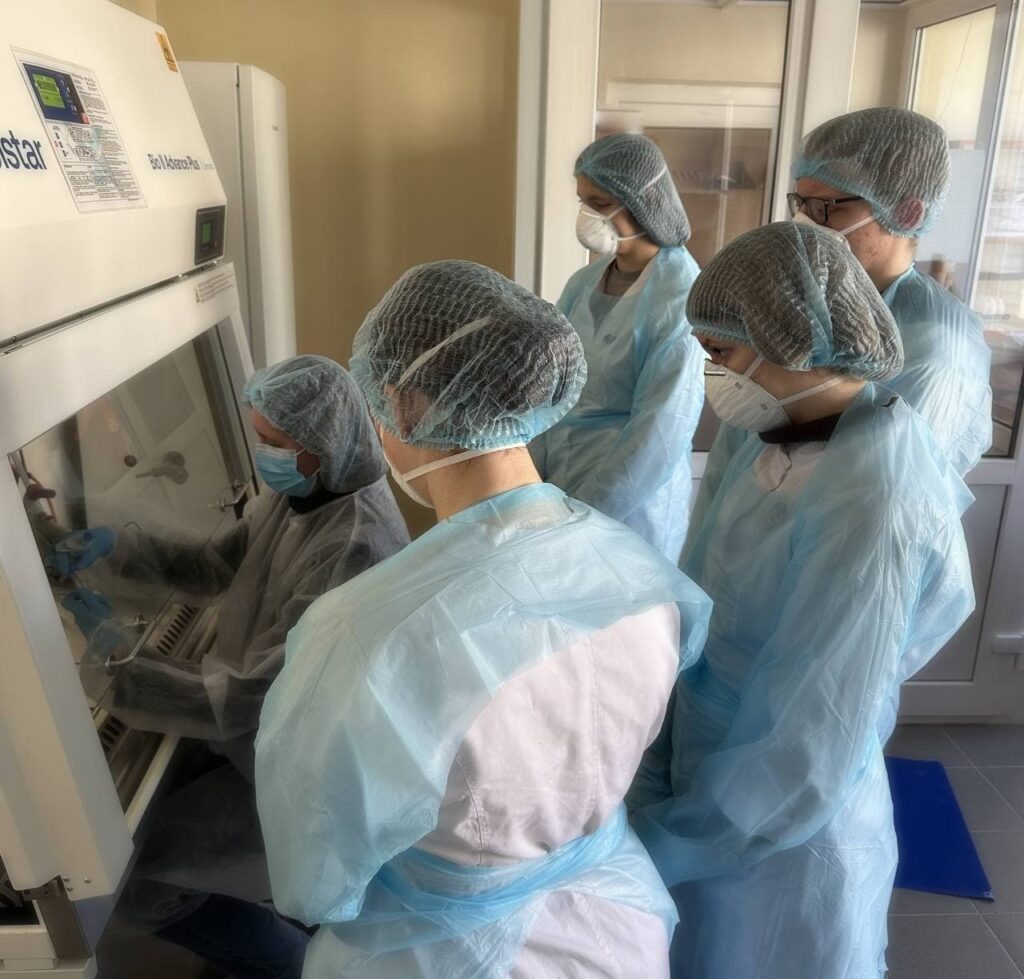
A landmark event illustrating this conceptual shift was an interactive practical session held on March 12, 2026, at the Center for the Collective Use of Scientific Equipment “Biomedical Research Center” (BRC) at Sumy State University. During their time at the BRC, students were provided with a unique opportunity to gain firsthand exposure to the architecture of modern scientific inquiry by visiting key infrastructure units: Laboratory of Surface Modification and Materials Synthesis, and Cell Culture Laboratory.
When second-year students, who are just beginning to master the basic mechanisms of physiology and biochemical processes, witness firsthand the fabrication of nanofibrous scaffolds via electrospinning or the in vitro biocompatibility assessment of novel nanomaterials on cell cultures, a fundamental shift in their professional mindset occurs. They begin to realize that medicine is not a static repository of knowledge, but rather a dynamic process of continuous exploration where each of them can become a co-creator of emerging technologies.
BRC researchers practically demonstrated that understanding the molecular mechanisms of disease pathogenesis and the principles of targeted drug delivery is no longer merely an advantage, but a prerequisite for success in fields such as oncology, regenerative medicine, neurosurgery, clinical immunology etc. By working with materials currently at the cutting edge of global science, students develop a forward-thinking mindset and an understanding of the potential of novel biotechnologies that will become routine in clinical practice only decades from now.
BRC is not limited to fundamental research; its activities are deeply intertwined with solving the pressing, applied challenges of modern clinical medicine. Familiarization with the methodologies employed in the BRC laboratories served as a vivid demonstration of the translational approach, ensuring an effective transition from bench to bedside.
Through the example of the BRC’s work, students were able to comprehend that research endeavors transcend geographical boundaries. The BRC operates as a robust hub with its own communication strategy, deeply integrated into the global scientific community with a vast network of international partners, thereby opening tremendous opportunities for students and postgraduates regarding academic mobility, collaborative scientific publications, and research internships.
Ultimately, the BRC fosters an environment that seamlessly blends advanced technologies, robust international collaboration, and the genuine enthusiasm of a young research team. We provide all the essential tools to empower you to become an architect of a new scientific reality in medicine and biology. Therefore, we urge students to join us in making a profound contribution to contemporary science.